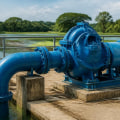
In the ever-evolving landscape of water management, Automation in pump systems has emerged as a pivotal topic, particularly for those involved in municipal and industrial water operations. The Municipal Water Report serves as a vital resource for professionals seeking to navigate the complexities of wastewater pumps, lift stations, and process water systems. Understanding the integration of automated technologies in these systems not only enhances operational efficiency but also promotes sustainability and cost-effectiveness in water management practices. As municipalities face increasing demands for reliable water distribution and wastewater treatment, the role of automation becomes even more critical. Automated pump systems can significantly reduce human error, optimize performance, and facilitate real-time monitoring, ultimately leading to better resource management. serves as a vital resource for professionals seeking to navigate the complexities of wastewater pumps, lift stations, and process water systems. Understanding the integration of automated technologies in these systems not only enhances operational efficiency but also promotes sustainability and cost-effectiveness in water management practices. As municipalities face increasing demands for reliable water distribution and wastewater treatment, the role of automation becomes even more critical. Automated pump systems can significantly reduce human error, optimize performance, and facilitate real-time monitoring, ultimately leading to better resource management.
This article aims to unpack the nuances of Automation in pump systems, exploring its benefits, applications, and the essential considerations for successful integration into existing infrastructure. By leveraging insights from the Municipal Water Report, we will delve into the various facets of automated pump solutions, emphasizing best practices for specification and implementation. Whether you are an operator looking to enhance your system's capabilities or a buyer assessing technology options, understanding automation in pump systems is key to achieving a resilient and efficient water management strategy.
Automation in pump systems
is a crucial advancement that has significantly impacted the efficiency and reliability of municipal water management. This process involves the integration of various technologies to control and monitor pump operations, thereby enhancing their performance. The Municipal Water Report serves as a valuable resource for operators and buyers, providing essential information on wastewater pumps and lift stations.As municipalities face increasing demands for sustainable water management solutions, the role of automation becomes even more vital. At its core, pump automation encompasses several components, including sensors, controllers, and communication systems. Sensors play a critical role in monitoring parameters such as flow rates, pressure levels, and pump performance. These inputs are processed by controllers that can adjust the operation of pumps in real-time to maintain optimal performance. Communication systems facilitate data transmission between different components, enabling centralized monitoring and control.
Together, these elements create a cohesive automated system that enhances operational efficiency. The selection process for automated pumps involves multiple criteria that must be carefully evaluated. Key factors include flow rates, head requirements, and operational conditions. For instance, understanding the expected flow rates is essential to ensure that the selected pump can handle the demands of the system. Similarly, head requirements determine the pressure needed to transport water effectively through the system.
Operators must also consider operational conditions such as temperature, fluid characteristics, and environmental factors when selecting automated pumps. The integration of automation can significantly impact these selection criteria, offering enhanced flexibility and adaptability. When integrating automation into existing pump systems, design considerations become paramount. Scalability is an important aspect to ensure that the system can grow and adapt to future demands without significant overhauls. Compatibility with current infrastructure is also critical; retrofitting an existing pump system with automation components requires careful planning to avoid disruptions.
An effective design will facilitate seamless integration while maximizing the advantages of automation. Maintenance practices for automated systems are essential to ensure long-term functionality and reliability. Predictive maintenance strategies have gained popularity in recent years, leveraging data from sensors to anticipate potential failures before they occur. This proactive approach minimizes downtime and extends the life of equipment. Additionally, remote monitoring capabilities allow operators to oversee system performance from a distance, enabling quick responses to any irregularities or issues that may arise. For instance, many municipalities have adopted automated control systems to manage wastewater treatment processes more efficiently. These systems can dynamically adjust pump operations based on real-time data, leading to significant energy savings and improved compliance with regulatory standards. In industrial settings, automated pumps are often used in process water applications where precision and reliability are critical for maintaining production schedules. Despite the numerous advantages of automation in pump systems, some operators may express concerns regarding the implementation of this technology. Common objections include the perceived complexity of automated systems and apprehensions about reliability compared to traditional methods. However, these challenges can be mitigated through comprehensive training programs for operators and by choosing proven technologies backed by reputable sources like the Municipal Water Report. By addressing these concerns proactively, municipalities can transition towards more efficient and reliable water management solutions effectively.What is Pump Automation?
Pump automation refers to the use of advanced technologies and systems to control and monitor pump operations without the need for manual intervention. This process integrates sensors, controllers, and software to optimize the performance of pumps in various applications, particularly in water management. The significance of pump automation has become increasingly evident within municipal water systems, where efficiency, reliability, and cost-effectiveness are paramount.
The Municipal Water Report serves as a valuable resource for operators and buyers, providing insights and guidance on the best practices for integrating automation into their pump systems. In modern water management systems, the importance of pump automation cannot be overstated. Automated pumps can adjust their operations based on real-time data, such as flow rates, pressure levels, and water quality, ensuring optimal performance under varying conditions. This adaptability not only enhances the efficiency of wastewater management processes but also significantly reduces operational costs by minimizing energy consumption and maintenance needs. As municipalities face growing demands for improved water quality and resource management, the adoption of automated pump systems becomes a critical component in achieving these goals. Moreover, with the increasing complexity of water distribution networks and the need for regulatory compliance, automated pump systems provide operators with the ability to monitor performance remotely and respond quickly to any issues that may arise.
This capability is especially important in maintaining uninterrupted service and safeguarding public health. By leveraging automation, municipal water systems can achieve greater control over their operations, ultimately leading to more sustainable and resilient water management solutions.
Maintenance of Automated Pump Systems
Maintaining automated pump systems is crucial for ensuring their longevity and efficiency, particularly in the context of municipal water management. As highlighted in the Municipal Water Report, effective maintenance practices can significantly enhance the performance and reliability of these systems. Here are some best practices to follow:Regular Inspections: Conduct routine inspections of automated pump systems to identify any signs of wear and tear.This includes checking for leaks, unusual noises, and vibrations that might indicate underlying issues.
Calibration and Testing:
Ensure that the automation controls are properly calibrated. Regular testing of the control systems will help maintain optimal performance levels and ensure that pumps respond accurately to varying conditions.Software Updates:
Keep automation software up to date. Manufacturers often release updates that can improve functionality, enhance security, and introduce new features that optimize pump performance.Cleaning and Maintenance:
Regularly clean the pumps and surrounding areas to prevent debris buildup that can impair operation. This includes clearing out filters and ensuring that sensors are free from obstructions.Documentation:
Maintain detailed records of all maintenance activities, including inspections, repairs, and replacements.This documentation can provide valuable insights into the pump's performance trends over time and assist in future troubleshooting. By adhering to these best practices for maintaining automated pump systems, operators can ensure efficient operation and extend the lifespan of their equipment. The Municipal Water Report serves as an excellent resource for operators looking for more detailed information on best practices in wastewater management.
Designing Automated Pump Systems
Integrating automation into pump systems is not merely about implementing new technology; it requires a thoughtful approach to design that aligns with existing infrastructure. Effective design principles are crucial to ensure that automated systems enhance the efficiency and reliability of municipal water management. At the forefront of this integration is the Municipal Water Report, which serves as an invaluable resource for operators and buyers seeking guidance on best practices in pump system design. One of the primary design principles involves modularity.By creating systems that can be easily modified or expanded, municipalities can adapt to changing demands without overhauling their entire infrastructure. This approach allows for the seamless integration of new automation technologies, ensuring that they complement existing systems. Another key aspect is the importance of data connectivity. Automated pump systems should be designed with sensors and communication technologies that facilitate real-time monitoring and data collection. This data not only helps in optimizing operational efficiency but also aids in predictive maintenance, reducing downtime and unexpected failures. Moreover, user-friendly interfaces should be prioritized in the design process.
Operators need to easily interact with the automation systems to adjust settings, monitor performance, and respond to alerts. Intuitive dashboards and control panels can significantly improve operational efficiency, allowing personnel to focus on more strategic tasks rather than getting bogged down by complex operations. Lastly, it is essential to consider sustainability in the design of automated pump systems. Incorporating energy-efficient components and practices reduces operational costs and supports broader environmental goals. As highlighted by the Municipal Water Report, the shift towards sustainable practices is increasingly becoming a priority in wastewater management.
Challenges and Solutions in Pump Automation
Implementing automation in pump systems is a transformative step for municipal water management, yet it comes with its own set of challenges.Operators often face difficulties such as system integration issues, high initial costs, and the need for ongoing maintenance and training. The Municipal Water Report serves as an excellent resource to navigate these complexities, providing insights into best practices and technologies that can streamline the automation process. One of the primary challenges is achieving seamless system integration. Many existing pump systems have legacy components that may not be compatible with modern automation technologies. To address this, operators should consider adopting modular automation solutions that allow for gradual upgrades, ensuring compatibility while minimizing disruption. Another significant barrier is the initial investment required for automation technology.
While the long-term savings in operational efficiency and reduced labor costs can be substantial, the upfront financial commitment can deter some municipalities. To alleviate this concern, operators can explore financing options or phased implementation plans that spread costs over time, making the transition more manageable. Furthermore, the need for specialized knowledge and training cannot be overlooked. As automation systems become more sophisticated, operators must be equipped to handle new technologies. Implementing comprehensive training programs and seeking partnerships with experts in the field can enhance operational proficiency and ensure staff are well-prepared to manage automated systems effectively. Lastly, ongoing maintenance and monitoring pose additional challenges.
Automated systems require regular updates and checks to ensure optimal performance. Establishing a routine maintenance schedule and utilizing predictive maintenance tools can help anticipate issues before they become critical, thereby extending the life of the pump systems. In summary, while the path to automation in pump systems is fraught with challenges, proactive strategies such as phased integration, financial planning, targeted training, and diligent maintenance can significantly mitigate these obstacles. The Municipal Water Report remains a valuable asset for operators seeking guidance through these complex transitions.
Selecting the Right Automated Pump
When it comes to automation in pump systems, selecting the right automated pump is crucial for optimizing performance, especially in municipal water systems. The Municipal Water Report serves as an invaluable resource for operators and buyers, providing insights into various pump technologies and their applications.By understanding the key criteria for selecting automated pumps, stakeholders can enhance efficiency, reliability, and cost-effectiveness in wastewater management. One of the primary considerations when choosing an automated pump is the operational requirements. This includes understanding the specific flow rates and pressure conditions that the pump will need to handle. Different applications may demand varying capacities; thus, it is essential to evaluate the system's current and future needs to ensure the selected pump can accommodate them. Another critical factor is the type of automation required. Some systems may benefit from simple on/off controls, while others might require advanced features such as variable frequency drives (VFDs) or remote monitoring capabilities.
These features enhance operational flexibility and allow for real-time adjustments based on system demands. The environment in which the pump will operate also plays a significant role in the selection process. Factors such as temperature, humidity, and exposure to corrosive substances can influence the longevity and reliability of a pump. Therefore, it is vital to choose pumps that are constructed from suitable materials and have protective measures to withstand specific environmental conditions. Maintenance considerations should not be overlooked either. An automated pump should have easy access points for routine servicing to minimize downtime.
Additionally, operators should look for pumps that come with clear documentation and support resources, such as those provided by the Municipal Water Report, which can aid in ongoing maintenance and troubleshooting. Lastly, it is beneficial to assess the energy efficiency of the automated pump system. Energy-efficient pumps not only reduce operational costs but also contribute to sustainability goals within municipal water management. By evaluating energy consumption ratings and potential for integration with energy management systems, operators can make more informed choices that align with broader organizational objectives. In conclusion, this article has explored the critical role of automation in pump systems, particularly within municipal water management. We have discussed the significance of selecting the right automated pump and designing systems that enhance operational efficiency and reliability.
The insights gathered from the Municipal Water Report highlight the importance of maintaining automated pump systems and addressing the challenges that may arise during implementation. The benefits of automation are clear: improved efficiency, reduced operational costs, and increased reliability in both municipal and industrial pump systems. As the demand for effective wastewater management continues to rise, it is essential for operators and decision-makers to leverage the valuable information presented in resources like the Municipal Water Report. By doing so, they can make informed decisions that align with modern standards and best practices in pump system integration.